
Decoding KML Aero's Aerospace Cost Breakdown
Understanding the pricing structure of a high-precision CNC machining company like KML Aero is essential for making informed decisions in aerospace, defense, and electronics manufacturing. The costs involved are not just numbers on a quote; they reflect the quality, precision, and reliability that critical industries demand. In this post, I will walk you through the key components of KML Aero's pricing, helping you decode what goes into their cost and how it aligns with their commitment to excellence.
The Core Components of Aerospace Cost Breakdown
When you look at a quote from KML Aero, several factors contribute to the final price. These include material costs, machining complexity, tolerances, and post-processing requirements. Each element plays a significant role in determining the overall cost.
Material Selection: Aerospace-grade materials such as titanium, Inconel, and high-strength aluminum alloys come at a premium. The choice of material affects not only the raw cost but also machining time and tool wear.
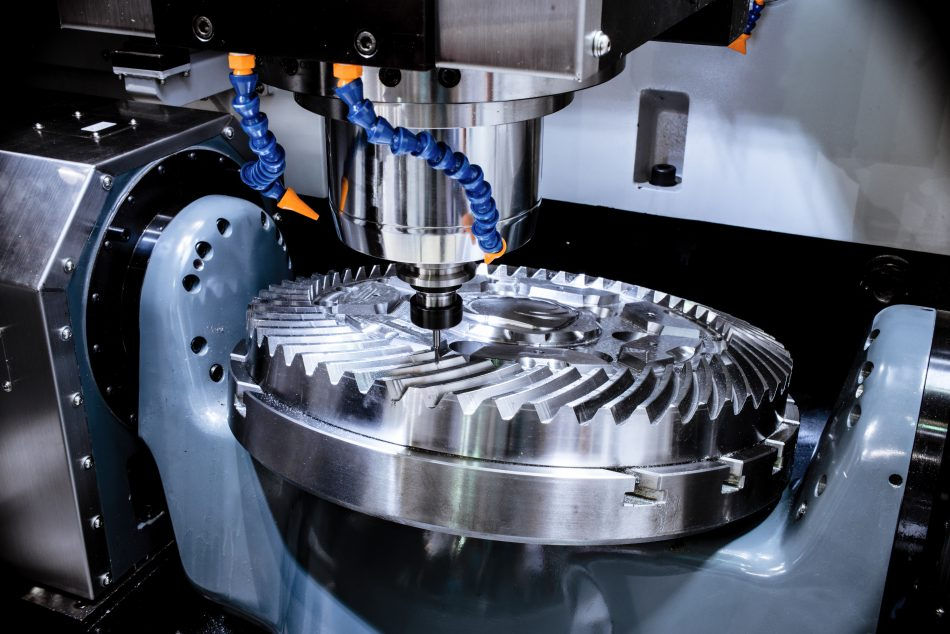
Machining Complexity: The more intricate the design, the longer the machining process. Complex geometries require advanced CNC programming and multiple setups, which increase labour and machine time.
Tolerance Levels: Tight tolerances demand higher precision, which translates to slower machining speeds and more frequent quality checks.
Surface Finishing and Treatments: Processes like anodizing, heat treatment, or coating add to the cost but are often necessary for durability and performance.
Understanding these components helps you appreciate why KML Aero’s pricing reflects their dedication to delivering parts that meet stringent aerospace standards.

How KML Aero Balances Quality and Cost
KML Aero’s pricing structure is designed to balance cost efficiency with uncompromising quality. They achieve this through several strategic approaches:
Advanced CNC Technology: Utilizing state-of-the-art CNC machines reduces cycle times and improves accuracy, which helps control costs without sacrificing quality.
Skilled Workforce: Experienced engineers and machinists optimize setups and tool paths, minimizing waste and rework.
Lean Manufacturing Practices: Streamlined workflows and just-in-time inventory management reduce overhead and storage costs.
Supplier Relationships: Strong partnerships with material suppliers ensure competitive pricing and reliable supply chains.
By integrating these elements, KML Aero can offer competitive pricing while maintaining the high standards required by aerospace and defense sectors.

Pricing Factors Unique to Aerospace Manufacturing
Aerospace manufacturing is distinct from other industries due to its rigorous requirements. Here are some pricing factors unique to this sector that KML Aero incorporates:
Certification and Compliance: Meeting aerospace certifications such as AS9100 involves additional documentation, audits, and process controls, which add to the cost.
Traceability: Every component must have full traceability from raw material to finished product, requiring meticulous record-keeping.
Testing and Validation: Non-destructive testing (NDT), dimensional inspections, and functional tests are standard, increasing labour and equipment costs.
Small Batch Production: Aerospace parts are often produced in small batches or even single units, which limits economies of scale.
These factors justify the premium pricing but also ensure that the parts delivered are reliable and safe for critical applications.
Practical Tips for Managing Your Aerospace Machining Budget
If you are working with KML Aero or a similar supplier, here are some actionable recommendations to optimize your budget without compromising quality:
Design for Manufacturability: Simplify part designs where possible to reduce machining time and complexity.
Material Choices: Discuss alternative materials that meet performance requirements but may be more cost-effective.
Batch Size Planning: Consolidate orders to benefit from volume pricing and reduce setup costs.
Early Engagement: Involve the machining partner early in the design phase to identify cost-saving opportunities.
Clear Specifications: Provide detailed and accurate specifications to avoid costly revisions and rework.
By applying these strategies, you can better control costs while ensuring your components meet aerospace standards.
Navigating the KML Aero Pricing Guide
For those seeking a detailed understanding of KML Aero’s pricing, the kml aero pricing guide is an invaluable resource. It breaks down costs by material, machining process, and finishing options, giving you transparency and clarity. Using this guide, you can estimate project costs more accurately and plan your procurement accordingly.
KML Aero’s pricing reflects their mission to be a global leader in high-precision CNC machining. Their structure is not just about numbers but about delivering value through quality, reliability, and engineering support.
Maximizing Value from Your Aerospace Machining Partner
Choosing the right machining partner is about more than just price. It’s about trust, expertise, and consistent delivery. KML Aero’s pricing structure is designed to support these values by:
Offering competitive rates aligned with industry standards.
Providing detailed quotes that explain cost drivers.
Ensuring flexibility to accommodate project-specific needs.
Backing every part with rigorous quality assurance.
When you understand the pricing breakdown, you can engage more confidently with your supplier, negotiate effectively, and make decisions that support your long-term goals.
Decoding KML Aero’s aerospace cost breakdown reveals a pricing model built on precision, quality, and efficiency. By understanding the factors that influence cost, you can better manage your projects and partner with a supplier committed to excellence in critical industries.


Comments