
Top 8 Questions to Ask When Selecting a CNC Supplier for Your Business
Updated: Feb 12
Choosing the Right CNC Supplier: A Guide for Aerospace and Defense Industries
==========================================================================
Choosing the right CNC supplier can make or break your manufacturing process. The quality, reliability, and service of your supplier directly affect your production timelines, product quality, and ultimately your bottom line. When you start looking for a CNC supplier, it’s easy to get overwhelmed by options and technical details. Asking the right questions upfront helps you find a partner who meets your specific needs and supports your business growth.
Here are the top eight questions you should ask any CNC supplier before making a decision.

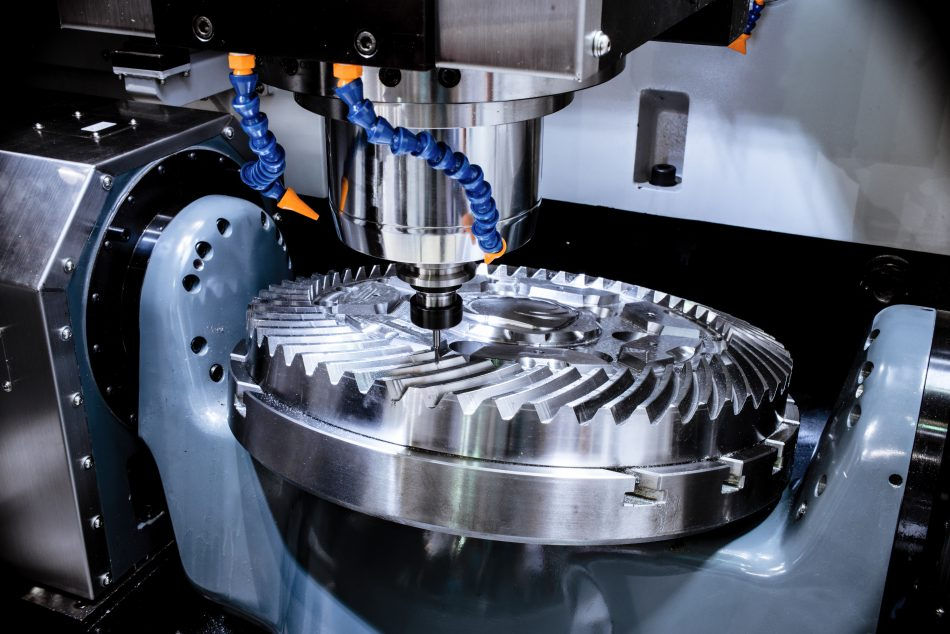
Close-up view of a CNC machine cutting metal with precision
1. What Types of CNC Services Do You Offer?
Not all CNC suppliers provide the same range of services. Some specialize in milling, while others focus on turning. Some offer multi-axis machining or laser cutting. You need to confirm that the supplier can handle the specific processes your parts require.
Ask about:
Types of CNC machines available
Materials they work with (aluminum, steel, plastics, etc.)
Minimum and maximum part sizes
Tolerances they can consistently achieve
For example, if your parts require 5-axis machining for complex geometries, a supplier with only 3-axis machines won’t meet your needs.
2. Can You Provide Examples of Past Projects Similar to Mine?
Requesting case studies or examples helps you verify the supplier’s experience with parts like yours. It also gives insight into their quality standards and problem-solving abilities.
Look for:
Parts with similar complexity or materials
Industries they serve (aerospace, automotive, medical, etc.)
Customer testimonials or references
A supplier who has successfully produced parts for your industry is more likely to understand your requirements and challenges.
3. What Quality Control Processes Do You Have in Place?
Quality control is critical when working with CNC suppliers. Ask about their inspection methods and certifications.
Important points include:
Use of coordinate measuring machines (CMM) or other inspection tools
Frequency of inspections during production
Industry certifications such as ISO 9001
Process for handling non-conforming parts
A supplier with rigorous quality control reduces the risk of receiving defective parts that can disrupt your production.
4. How Do You Handle Lead Times and Production Scheduling?
Delays in receiving parts can cause costly downtime. Understand how the supplier manages lead times and scheduling.
Questions to ask:
Typical turnaround times for your parts
Ability to handle rush orders
Communication process for updates or delays
Capacity to scale production if your volume increases
A reliable CNC supplier will provide realistic lead times and keep you informed throughout the process.

Eye-level view of a CNC operator monitoring machine during production
5. What Are Your Pricing and Payment Terms?
Price is always a factor, but it should not be the only consideration. Clarify pricing details to avoid surprises.
Discuss:
Pricing structure (per part, per hour, or project-based)
Volume discounts or long-term contract pricing
Additional fees (setup, tooling, shipping)
Payment terms and options
Compare quotes from multiple suppliers but weigh price against quality and service.
6. What Support and Communication Can I Expect?
Good communication is essential for a smooth partnership. Ask how the supplier supports clients before, during, and after production.
Find out about:
Point of contact for your orders
Frequency and method of updates
Willingness to provide technical advice or design feedback
After-sales support and warranty policies
A supplier who communicates clearly and promptly helps prevent misunderstandings and delays.
7. How Do You Manage Tooling and Maintenance?
Tooling quality and machine maintenance impact part accuracy and consistency. Ask about their approach to these areas.
Key questions:
Do they use in-house tooling or outsource?
How often do they maintain and calibrate machines?
Process for updating tooling to match design changes
Availability of backup machines in case of breakdowns
A supplier with well-maintained equipment and tooling reduces the risk of production issues.
8. Can You Handle Future Growth or Changes in My Production Needs?
Your business will evolve, and your CNC supplier should be able to grow with you.
Consider:
Capacity to increase production volume
Flexibility to handle new materials or part designs
Willingness to invest in new technology
Ability to support multiple projects simultaneously
Choosing a supplier who can adapt to your changing needs saves time and effort in the long run.
Conclusion: Making the Right Choice
Selecting the right CNC supplier is crucial for your manufacturing success. By asking these questions, you can ensure that your chosen partner aligns with your business goals. Remember, the right supplier will not only meet your current needs but also support your future growth.
For more insights on CNC machining and how it can benefit your operations, consider exploring additional resources. This knowledge will empower you to make informed decisions that enhance your manufacturing capabilities and help you achieve your goals.
In the competitive landscape of aerospace and defense, having a reliable CNC supplier can be the difference between success and setbacks. So, take the time to find a partner who shares your commitment to quality and innovation.
---wix---


Comments