
Optimizing Cycle Times in CNC Machining for Cost Reduction Strategies
Reducing costs in manufacturing often comes down to one key factor: time. In CNC machining, cycle time—the total time it takes to complete a machining operation—directly impacts production costs. Every second saved on a cycle adds up to significant savings over thousands of parts. I’ve seen firsthand how focusing on cycle time optimization can transform a shop’s efficiency and bottom line. This post explores practical ways to cut cycle times in CNC machining without sacrificing quality, helping manufacturers reduce costs and stay competitive.
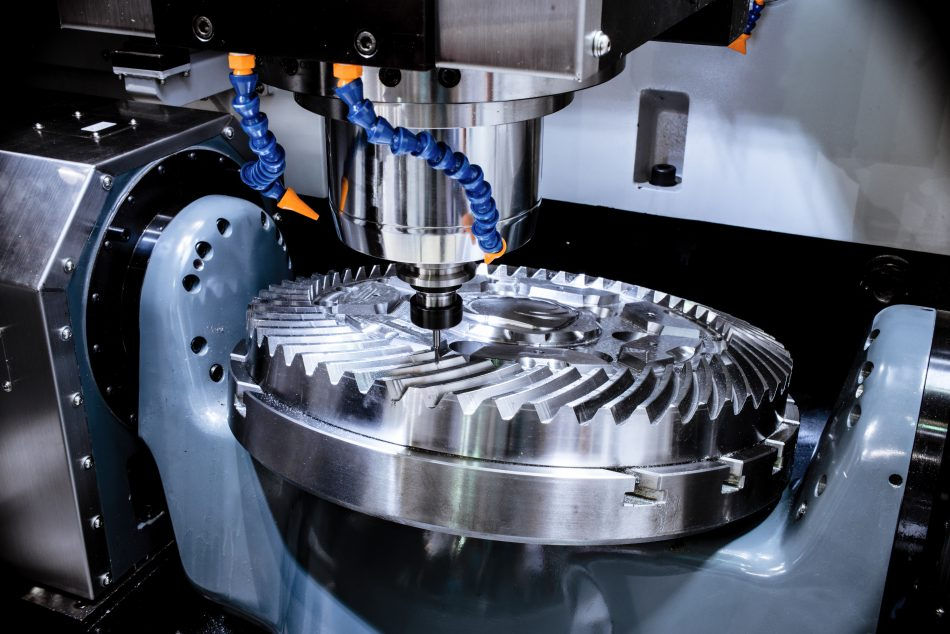
Understanding Cycle Time and Its Impact on Cost in CNC Machining
Cycle time includes all the steps from loading the raw material to unloading the finished part. It covers:
Tool changes
Machining operations
Machine movements
Part handling
Longer cycle times mean fewer parts produced per hour, increasing labor and overhead costs per unit. For example, if a CNC machine takes 10 minutes per part, it produces 6 parts per hour. Reducing cycle time to 8 minutes boosts output to 7.5 parts per hour, a 25% increase in productivity.
Lower cycle times also reduce machine wear and energy consumption, further cutting costs. The goal is to find the balance between speed and precision, ensuring parts meet specifications while minimizing wasted time.
Streamlining Tool Paths and Machining Strategies
One of the biggest opportunities to reduce cycle time lies in optimizing tool paths. Inefficient paths cause unnecessary machine movements and longer cutting times. Here are some ways to improve:
Use high-efficiency milling techniques that maintain consistent chip load and reduce air cutting
Minimize rapid moves between cuts by grouping features logically
Choose the shortest possible tool path that still maintains surface finish and accuracy
Use trochoidal milling for hard materials to allow higher speeds and feeds
For example, switching from traditional zigzag milling to a high-efficiency tool path reduced cycle time by 15% in a case study involving aluminum parts. Software tools like CAM simulators help visualize and optimize these paths before running the program.
Selecting the Right Tools and Cutting Parameters
Tool choice and cutting parameters directly affect machining speed and tool life. Using the right combination can shave minutes off cycle times:
Use carbide tools for higher speeds and longer life compared to HSS tools
Increase spindle speed and feed rates within tool and machine limits
Use coatings like TiAlN to reduce wear and allow aggressive cutting
Optimize depth of cut and step-over to balance material removal rate and tool load
For example, increasing spindle speed by 20% and feed rate by 15% on a steel part reduced cycle time by 10% without tool failure. Regularly reviewing and updating cutting parameters based on tool condition and material can maintain these gains.
Reducing Non-Cutting Time
Non-cutting time includes tool changes, machine positioning, and part loading/unloading. These steps can add significant overhead if not managed well:
Use multi-tool holders or tool changers to reduce tool change time
Program machine to minimize rapid moves and air cutting
Implement quick-change fixturing to speed up part loading and unloading
Automate material handling with robotic arms or conveyors
In one shop, switching to quick-change fixtures cut part changeover time from 3 minutes to under 1 minute, reducing total cycle time by 20%. Even small improvements in these areas add up over large production runs.
Maintaining Machine and Tool Health
Unexpected downtime or poor tool condition increases cycle time and costs. Regular maintenance and monitoring help keep machines running smoothly:
Schedule preventive maintenance to avoid breakdowns
Use tool condition monitoring systems to detect wear or breakage early
Keep machines clean and lubricated for consistent performance
Train operators to spot issues before they affect cycle time
For example, a shop that implemented tool wear sensors reduced scrap rates and avoided unplanned stops, maintaining steady cycle times and reducing costs.

Leveraging Software and Automation
Modern CNC machines come with software features that help reduce cycle times:
Adaptive control adjusts cutting parameters in real time based on load
Simulation software identifies potential collisions and inefficient moves
Automated tool path generation saves programming time and improves efficiency
Integration with ERP systems helps schedule jobs to minimize downtime
Automation can also extend to loading/unloading parts and tool changes, reducing human error and speeding up production.
Training and Process Improvement
Cycle time reduction is not just about machines and tools. Skilled operators and continuous process improvement play a big role:
Train operators on best practices for setup, tool changes, and troubleshooting
Use data from machines to identify bottlenecks and areas for improvement
Implement lean manufacturing principles to eliminate waste
Encourage feedback from the shop floor to find practical solutions
In one example, a team reduced cycle time by 12% after operator training and process adjustments, showing the value of human factors.
Final Thoughts on Cutting Cycle Times and Costs
Reducing cycle times in CNC machining requires a mix of technical improvements, smart planning, and ongoing attention. By focusing on tool path efficiency, cutting parameters, non-cutting time, machine health, and operator skills, manufacturers can produce more parts faster and at lower cost.
Start by analyzing your current cycle times and identifying the biggest delays. Then test changes incrementally to measure their impact. Over time, these improvements add up to a stronger, more competitive operation.

Comments