
The Crucial Role of CNC Machining in the Aerospace Industry
The aerospace industry demands precision, reliability, and efficiency in every component it produces. One technology that has become indispensable in meeting these high standards is CNC machining. From manufacturing complex engine parts to structural components, CNC machining plays a vital role in aerospace manufacturing. In this post, I will explain why CNC machining is so crucial for aerospace, how it supports the industry's unique needs, and what benefits it brings to manufacturers and students interested in this field.

Why Aerospace Manufacturing Needs CNC Machining
Aerospace manufacturing involves creating parts that must withstand extreme conditions such as high pressure, temperature fluctuations, and mechanical stress. These parts often have complex geometries and tight tolerances that traditional manufacturing methods cannot achieve consistently.
CNC machining provides:
High precision and repeatability: CNC machines follow computer-generated instructions to produce parts with exact dimensions every time. This consistency is critical for aerospace components where even minor deviations can cause failures.
Ability to work with advanced materials: Aerospace parts use materials like titanium, Inconel, and carbon composites. CNC machining can handle these tough materials efficiently without compromising quality.
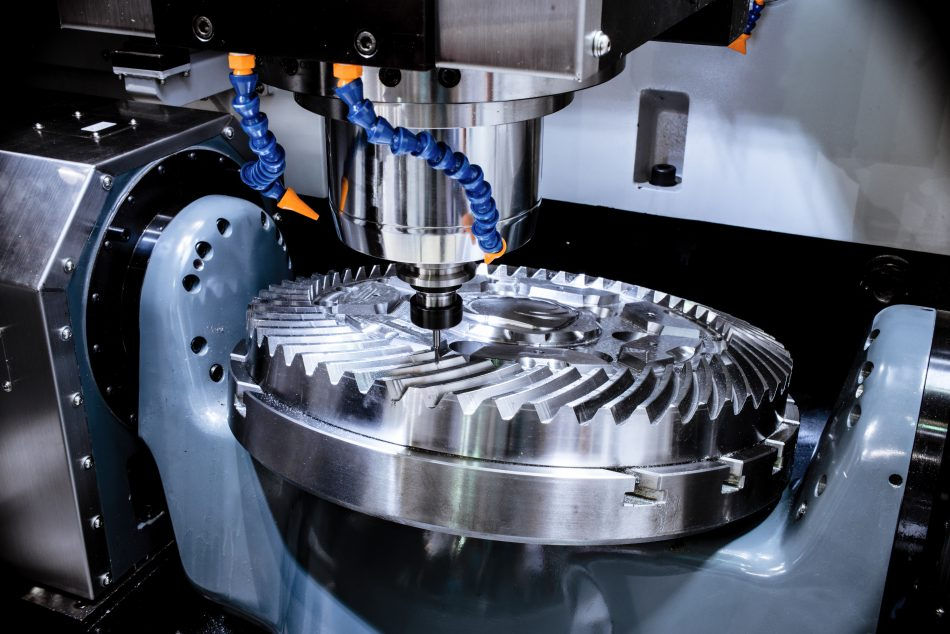
Complex shapes and fine details: The multi-axis capabilities of CNC machines allow manufacturers to create intricate designs that meet aerodynamic and structural requirements.
For example, turbine blades in jet engines require precise aerodynamic profiles and surface finishes. CNC machining ensures these blades meet strict specifications, improving engine performance and fuel efficiency.
Enhancing Safety and Reliability
Safety is paramount in aerospace. Parts must perform flawlessly under demanding conditions. CNC machining contributes to safety by reducing human error and improving quality control.
Automated processes reduce mistakes: CNC machines operate based on programmed codes, minimizing manual intervention and the risk of errors.
Consistent quality checks: Many CNC systems include real-time monitoring and feedback, allowing immediate adjustments to maintain quality.
Traceability: CNC machining records production data, helping manufacturers track each part’s history for certification and maintenance.
This level of control helps aerospace companies comply with strict regulatory standards, such as those from the FAA or EASA, ensuring that every component is safe for use.
Cost Efficiency and Production Speed
While aerospace parts require high precision, manufacturers also face pressure to control costs and meet tight deadlines. CNC machining balances these demands effectively.
Reduced material waste: CNC machines optimize cutting paths and use raw materials efficiently, lowering scrap rates.
Faster prototyping and production: CNC machining can quickly switch between designs, enabling rapid prototyping and shorter lead times.
Lower labor costs: Automation reduces the need for manual labor, which cuts costs and improves scalability.
For instance, when developing a new aircraft model, engineers can use CNC machining to produce prototype parts quickly, test them, and make design adjustments without long delays.

CNC Machining and Innovation in Aerospace
The aerospace industry constantly pushes the boundaries of technology. CNC machining supports innovation by enabling the production of parts that were once impossible or too costly to make.
Customization: CNC machining allows for custom parts tailored to specific aircraft or mission requirements.
Lightweight designs: By machining complex geometries, manufacturers can reduce weight without sacrificing strength, improving fuel efficiency.
Integration with digital design: CNC machining works seamlessly with CAD/CAM software, allowing engineers to translate digital models directly into physical parts.
For example, the use of CNC machining has enabled the production of lightweight, hollow titanium components that reduce aircraft weight and improve performance.
What Manufacturers and Students Should Know
For manufacturers, investing in CNC machining technology means staying competitive in aerospace manufacturing. It requires skilled operators, regular maintenance, and integration with digital design tools.
Students interested in aerospace manufacturing should focus on learning CNC programming, machine operation, and materials science. Understanding how CNC machining fits into the broader manufacturing process will open doors to careers in aerospace production, quality control, and engineering.
Final Thoughts
CNC machining is a cornerstone of modern aerospace manufacturing. It delivers the precision, reliability, and flexibility needed to produce high-quality aerospace components. By reducing errors, speeding up production, and enabling innovative designs, CNC machining supports the aerospace industry’s drive for safer, more efficient aircraft.


Comments