
CNC vs 3D Printing vs Injection Molding Which Technology is Best for Your Project
Choosing the right manufacturing method can make or break your project. Whether you are creating prototypes, small batches, or mass production parts, understanding the strengths and limitations of CNC machining, 3D printing, and injection molding is essential. Each technology offers unique advantages depending on your design, budget, timeline, and material needs. This guide breaks down these three popular manufacturing processes to help you decide which one fits your project best.
Understanding CNC Machining
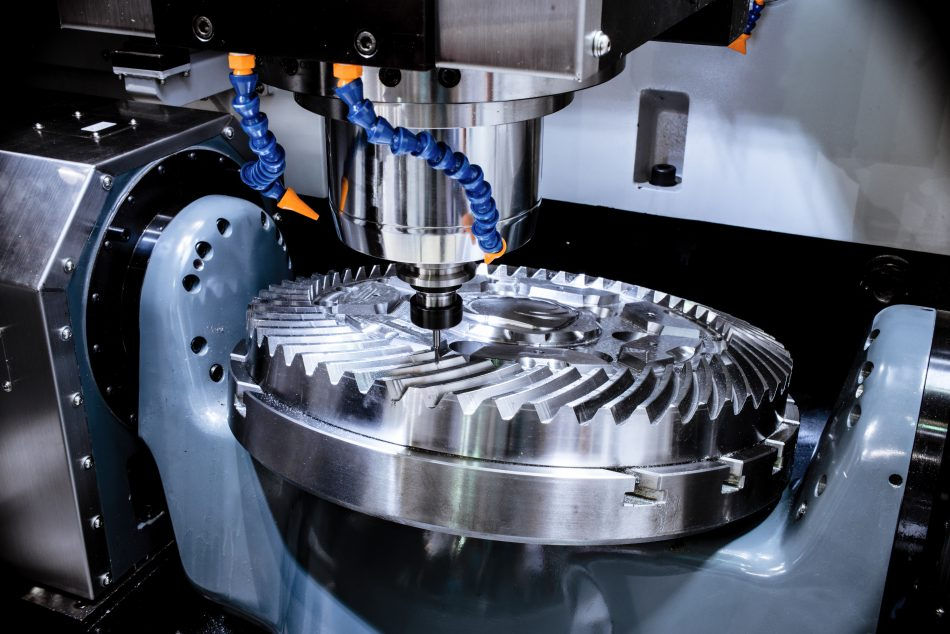
CNC (Computer Numerical Control) machining uses computer-controlled tools to cut and shape materials like metal, plastic, and wood. It removes material from a solid block (called a workpiece) to create precise parts.
Strengths of CNC Machining
High precision and tight tolerances: CNC machines can achieve accuracy within thousandths of an inch, making them ideal for parts that require exact dimensions.
Wide material options: Metals such as aluminum, steel, titanium, and plastics like ABS and nylon can be machined.
Good surface finish: CNC parts often require little post-processing.
Strong and durable parts: Since parts are cut from solid material, they maintain the strength of the original stock.
Best Applications for CNC Machining
Functional prototypes that need to test fit and strength.
Small to medium production runs where precision is critical.
Parts requiring complex geometries that cannot be molded easily.
Components exposed to high stress or heat.
Limitations to Consider
Higher cost per part for large volumes compared to injection molding.
Material waste due to subtractive process.
Longer lead times for complex parts.
Exploring 3D Printing
3D printing, or additive manufacturing, builds parts layer by layer from digital models. It uses materials like plastics, resins, and some metals.
Strengths of 3D Printing
Rapid prototyping: Parts can be produced within hours, speeding up design iterations.
Complex geometries: 3D printing can create shapes impossible with traditional methods, such as internal channels or lattice structures.
Low setup cost: No need for molds or tooling.
Customization: Easily modify designs without extra cost.
Best Applications for 3D Printing
Early-stage prototypes to test form and function.
Custom or one-off parts.
Complex designs with intricate details.
Low-volume production runs.
Limitations to Consider
Limited material strength compared to machined or molded parts.
Surface finish often requires post-processing.
Slower production speed for large quantities.
Size constraints depending on printer build volume.
Injection Molding Overview
Injection molding involves injecting molten material into a mold cavity. Once cooled, the solid part is ejected. This process is widely used for mass production of plastic parts.
Strengths of Injection Molding
Low cost per part at high volumes: Ideal for thousands or millions of parts.
Fast production cycle: Each part can be produced in seconds to minutes.
Consistent quality: Molds produce identical parts with tight tolerances.
Wide range of plastic materials: Including ABS, polypropylene, and polycarbonate.
Best Applications for Injection Molding
Large production runs where cost efficiency is key.
Parts requiring strong, durable plastic.
Products with simple to moderately complex shapes.
Consumer goods, automotive parts, and packaging.
Limitations to Consider
High upfront tooling cost and long mold fabrication time.
Design changes after mold creation are expensive.
Not suitable for low volume or highly customized parts.
Limited to materials that can be melted and injected.
Comparing the Technologies Side by Side

How to Choose the Right Process for Your Project
Consider Your Volume
For one-off or low-volume parts, 3D printing or CNC machining is usually more cost-effective.
For medium volumes, CNC machining can be a good balance.
For high volumes, injection molding offers the best cost per part.
Think About Material and Strength
If your part needs to be metal or high-strength plastic, CNC machining is often the best choice.
For plastic parts with moderate strength, injection molding works well.
For prototypes or decorative parts, 3D printing provides flexibility.
Evaluate Design Complexity
Complex internal features or custom shapes favor 3D printing.
Simple to moderately complex shapes with tight tolerances suit injection molding.
Parts requiring precise dimensions and strong materials benefit from CNC machining.
Factor in Time and Budget
If you need a quick prototype, 3D printing is fastest.
CNC machining takes longer but produces stronger parts.
Injection molding requires upfront investment and lead time for molds but pays off in large runs.
Real-World Examples
A startup designing a new drone used 3D printing to quickly test different propeller shapes before finalizing the design.
An automotive company used CNC machining to produce metal engine components requiring high precision and durability.
A toy manufacturer chose injection molding to mass-produce plastic action figures with consistent quality and low cost per unit.


Comments