
Understanding the Importance of CNC Machining in Die Mould Production
- Sep 4, 2025
- 4 min read
CNC machining has transformed the manufacturing landscape, especially in die mould production. This highly precise technology enhances efficiency and flexibility, making it vital for industries like automotive, aerospace, and consumer goods. In this blog post, we will discuss how CNC machining contributes to die mould production, its benefits, and its impact on the overall manufacturing process.
What is CNC Machining?
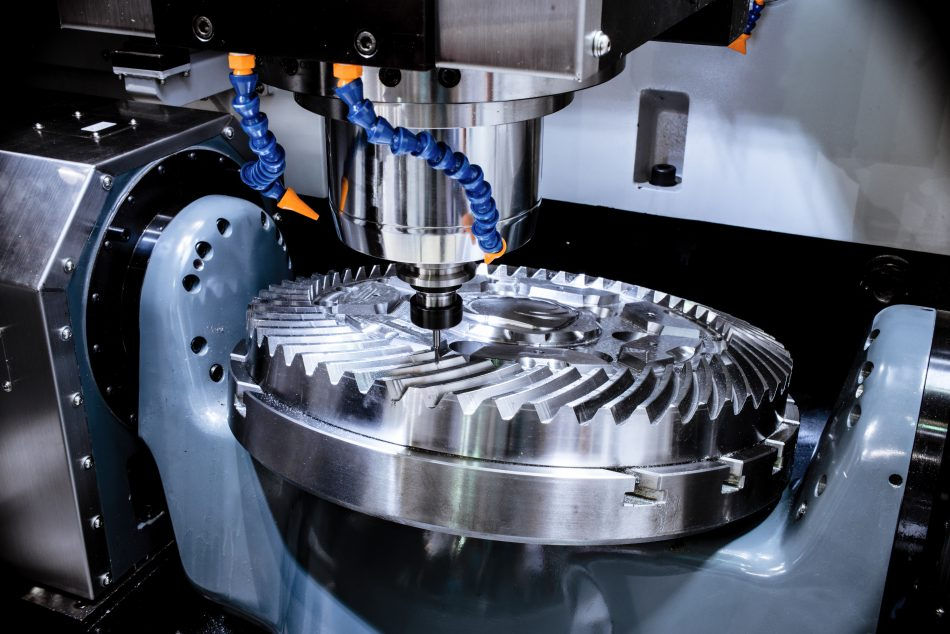
CNC, or Computer Numerical Control, machining is a process that uses computer software to control machine tools. This method automates the production of complex parts with remarkable precision. CNC machines can cut, mill, drill, and shape various materials, including metal, plastic, and wood, making them indispensable in the manufacturing sector.
In die mould production, accuracy and repeatability are of utmost importance. CNC machining allows manufacturers to create detailed designs and maintain tight tolerances, ensuring that final products meet all necessary specifications.
The Role of CNC Machining in Die Mould Production
Die moulds are crucial for mass production methods, such as injection moulding and die casting. These moulds shape materials into specific forms, and their quality has a direct impact on the performance and appearance of the final products. CNC machining provides several key advantages in the production of die moulds:
Precision and Accuracy
CNC machining stands out for its ability to deliver exceptional precision. For instance, machines can achieve tolerances as tight as ±0.01 mm, which is vital in industries where minor deviations can result in product failures. In a study, it was reported that the use of CNC technology reduced errors in die mould production by 25%.
Efficiency and Speed
Compared to traditional machining methods, CNC machining drastically cuts down production time. These machines can work continuously, significantly decreasing downtime and enhancing output. This efficiency is particularly critical in die mould production, where getting products to market quickly can give companies a competitive edge. Reports indicate that CNC machinery can increase production rates by up to 60%.
Flexibility in Design
CNC machining excels in its design flexibility. Manufacturers can quickly adjust designs and produce complex shapes that would be difficult to make with conventional methods. For example, if a new product feature is needed, CNC machines can adapt designs rapidly, enabling businesses to respond to market changes in weeks rather than months.
Cost-Effectiveness
While the initial investment in CNC machinery might be high, the long-term savings often outweigh these costs. Accurate machining means reduced material waste and lower labor expenses, making CNC machining a smart financial choice for die mould production. Additionally, producing high-quality moulds decreases the chances of defects, thus lowering costs related to reworking or scrapping.
The CNC Machining Process for Die Moulds
The CNC machining process for die moulds includes several key steps:
Design and CAD Modeling
First, manufacturers create a detailed design of the die mould using Computer-Aided Design (CAD) software. This design specifies all dimensions, tolerances, and features required for production.
CAM Programming
Next, the CAD model is transformed into a machine-compatible format using Computer-Aided Manufacturing (CAM) software. This step generates the tool paths necessary for the machining process.
Material Selection
Choosing the right material is crucial. Common materials for die moulds include steel, aluminum, and various plastics, each with unique properties suited for specific applications. For instance, aluminum is often preferred for its lighter weight and ease of machining, while steel is appreciated for its durability.
Machining
Once the design and programming are set, the CNC machine begins the machining process. Following programmed tool paths, it cuts, mills, and shapes the material as needed. This step often includes multiple operations, from drilling to finishing touches.
Quality Control
After machining, die moulds undergo stringent quality control checks. Measurements are taken to ensure conformity with specified tolerances and design requirements, which may include checking surface finishes and conducting functional tests.
Final Assembly and Testing
If the die mould passes quality control, it is then assembled and tested. This step is crucial to verify that the mould will perform correctly during production, avoiding potential issues that could arise later on.

Challenges in CNC Machining for Die Moulds
Despite the many advantages of CNC machining, there are challenges to consider:
Tool Wear
CNC machining relies on cutting tools that inevitably wear over time. Regular maintenance and timely tool replacements are necessary to uphold precision and prevent defects in moulds.
Material Limitations
The machinability of different materials can vary significantly. Some materials may pose more challenges, needing specialized tools and techniques to achieve desired outcomes effectively.
Initial Setup Costs
While investing in CNC machinery and software can be costly upfront, many businesses find that the increased efficiency and reduced waste lead to substantial long-term savings.
Future Outlook: The Impact of CNC Machining on Die Mould Production
CNC machining has become essential in die mould production, offering levels of precision, efficiency, and flexibility that traditional methods simply cannot achieve. As demand for higher-quality products grows and industries evolve, CNC machining's significance will only continue to rise. By grasping the benefits and potential challenges of this technology, manufacturers can improve their production processes, which ultimately leads to higher-quality outcomes.
Integrating CNC machining into die mould production streamlines manufacturing and ensures that final products adhere to the highest standards of quality and performance. As technology advances, CNC machining's role in die mould production will expand further, opening doors for innovative manufacturing solutions.



Comments