
Revolutionizing Aerospace Manufacturing with Advanced CNC Machining Techniques
In today's competitive aerospace industry, precision and efficiency are crucial. As technology advances, CNC (Computer Numerical Control) machining stands out as a transformative force. This advanced manufacturing process not only improves the quality of aerospace parts but also dramatically cuts production time and costs. This post explores how aerospace CNC machining is changing the landscape, the techniques at play, and what the future holds for this vital sector.
Understanding CNC Machining
CNC machining is a subtractive manufacturing method that uses computer-controlled tools to shape materials. This technology enables the production of complex shapes and detailed designs with high accuracy. In aerospace manufacturing, where safety is non-negotiable, CNC machining is essential for creating components that comply with rigorous quality standards.
The process starts with a digital design, typically made with CAD (Computer-Aided Design) software. This design is converted into machine instructions for cutting, drilling, or milling the material. Thanks to automation, the process increases accuracy and reduces human error, making it especially suited for aerospace applications.
Advantages of CNC Machining in Aerospace
Precision and Accuracy
CNC machining excels in producing parts with exceptional precision. For instance, aerospace components often require tolerances within ±0.005 inches. CNC machines can consistently achieve these standards, which is vital for the safety and performance of aircraft. A failure due to a small error can lead to catastrophic consequences, making precision non-negotiable.
Reduced Lead Times
In aerospace, time is critical. CNC machining can reduce lead times by up to 50%. This efficiency streamlines manufacturing, enabling companies to respond quickly to market demands and launch new products faster. For example, designing and producing a new aircraft component can take months, but CNC technology can significantly shorten this timeline.
Cost-Effectiveness
While the initial cost of CNC machinery can reach several hundred thousand dollars, the long-term savings are substantial. CNC machining cuts material waste by up to 15% and reduces the need for labor, leading to lower production costs. For instance, a recent study showed that companies using CNC machining reported up to 30% fewer reworks and scrap materials.
Versatility in Materials
CNC machining works with various materials commonly used in aerospace, such as aluminum, titanium, and composites. For example, aircraft parts made of titanium can exhibit a weight-to-strength ratio that is often superior to aluminum, making them ideal for high-performance applications.
Advanced CNC Machining Techniques
5-Axis Machining
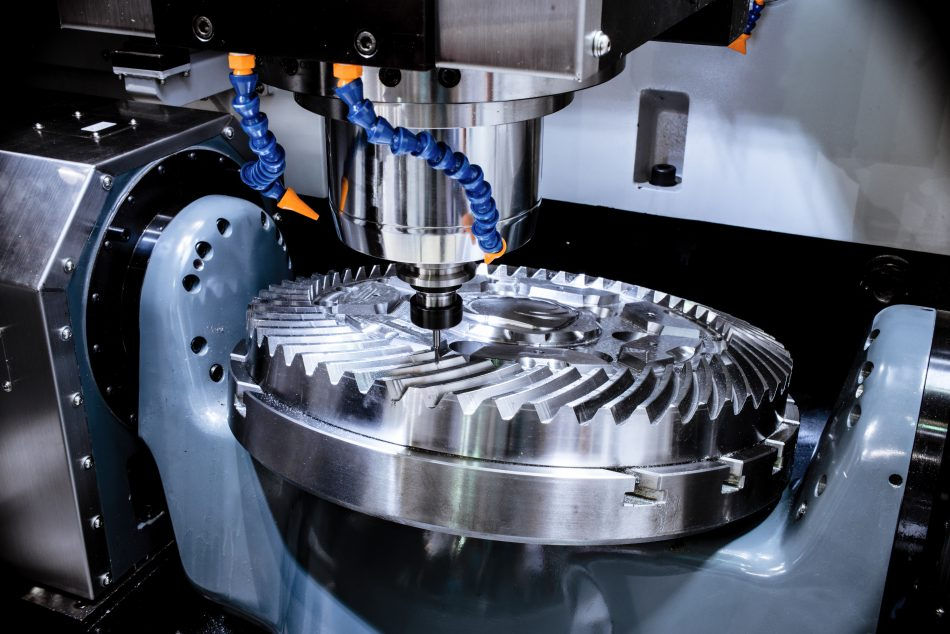
5-axis machining is one of the most sophisticated techniques in CNC machining. It allows for movement on five different axes, enabling the creation of complex geometries that traditional 3-axis machines cannot replicate. For instance, components like turbine blades, which have intricate designs, can be produced with higher accuracy and fewer setups. This technique can cut machining time by 40% compared to traditional methods.
Additive Manufacturing Integration
Another significant trend in aerospace CNC machining is the integration of additive manufacturing techniques. By combining subtractive and additive processes, manufacturers can produce parts with complex internal structures that are both lightweight and strong. For example, GE Aviation has successfully created fuel nozzles that are 25% lighter through this hybrid approach.
Automation and Robotics
The integration of automation and robotics is reshaping aircraft manufacturing. Automated systems tackle repetitive tasks, allowing skilled workers to concentrate on more complex operations. This boosts productivity and safety by minimizing human error in potentially hazardous environments. A survey indicated that companies implementing robotics in their machining processes experienced a 20% increase in output.
The Future of Aerospace CNC Machining
Technological advancements indicate a bright future for aerospace CNC machining. Innovations such as artificial intelligence (AI) and machine learning are set to enhance CNC machines' capabilities. For instance, AI can optimize machining processes by predicting maintenance needs, thus enhancing efficiency and prolonging machinery life.
Additionally, increasing emphasis on sustainability in aerospace manufacturing is spearheading the development of eco-friendly machining practices. As a case in point, manufacturers are exploring methods to reduce energy consumption and waste through advanced CNC techniques. Reports suggest that implementing these practices can lead to up to a 30% reduction in overall energy usage.
Wrap-Up
CNC machining is revolutionizing aerospace manufacturing, providing unmatched precision, efficiency, and cost-effectiveness. As the industry continues to adopt advanced techniques and technologies, the potential for innovation remains vast. By harnessing the capabilities of CNC machining, aerospace manufacturers are not only meeting current demands but also paving the way for a more sustainable and efficient future.

The shift toward advanced CNC machining techniques is not merely a trend; it signifies a fundamental change in the design and manufacturing of aerospace components. As we look forward, it is evident that CNC machining will continue to play a vital role in advancing safety, efficiency, and innovation within the industry.


Comments