
The Journey of Aerospace Components From Design to Successful Flight
Aerospace components are the backbone of every aircraft, spacecraft, and satellite. Their journey from initial design to the moment they take flight involves a complex process that combines precision engineering, advanced materials, and rigorous testing. Understanding how these components are manufactured reveals the care and expertise required to ensure safety, performance, and reliability in the skies and beyond.

Designing Aerospace Components
The journey begins with design. Engineers use computer-aided design (CAD) software to create detailed 3D models of each component. These designs must meet strict requirements for strength, weight, and durability. For example, turbine blades in jet engines are designed to withstand extreme temperatures and forces while remaining lightweight to improve fuel efficiency.
Designers also consider how components will fit together and interact within the larger system. This stage involves simulations to predict how parts will behave under stress, vibration, and temperature changes. Materials selection is critical here; engineers choose alloys, composites, or ceramics based on the component’s function and operating environment.
Material Selection and Preparation
Once the design is finalized, the right materials must be sourced. Aerospace components often use specialized materials such as titanium alloys, aluminum, and carbon fiber composites. These materials offer a balance of strength, weight, and resistance to corrosion or heat.
Raw materials undergo preparation processes like forging, casting, or rolling to create the initial shapes needed for manufacturing. For example, titanium billets might be forged into rough shapes before machining. Composites require layering sheets of carbon fiber with resin, then curing them under heat and pressure.
Manufacturing Processes
Manufacturing aerospace components involves several precise techniques:
Machining: Computer numerical control (CNC) machines cut and shape metal parts with extreme accuracy. This process can create complex geometries like turbine blades or structural brackets.
Additive Manufacturing: Also known as 3D printing, this method builds parts layer by layer. It allows for lightweight designs with internal structures that traditional machining cannot produce.
Casting and Forging: These methods shape metal by pouring molten material into molds or compressing it under high pressure. Forged parts often have superior strength due to aligned grain structures.
Composite Layup: For parts made from carbon fiber, layers are carefully placed and bonded. This process requires skilled technicians to ensure proper alignment and curing.
Each manufacturing step includes quality checks to detect defects early. Non-destructive testing methods like X-ray or ultrasonic inspection help identify internal flaws without damaging the part.
Assembly and Integration
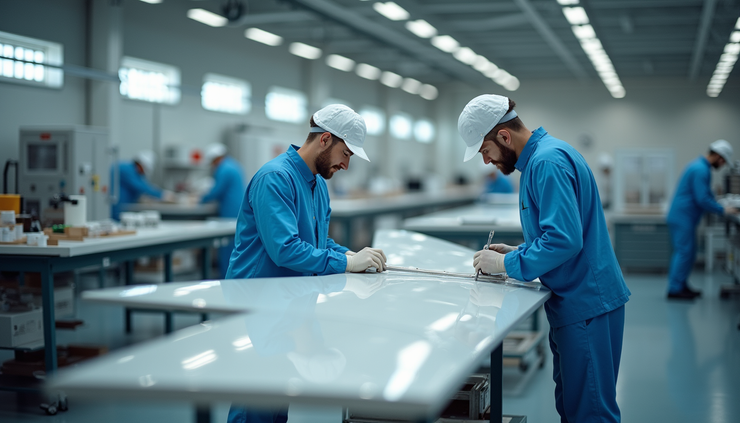
After individual components are manufactured, they move to assembly. This stage requires precise fitting and alignment to ensure the parts work together seamlessly. For example, assembling an aircraft wing involves joining structural components, wiring, hydraulic lines, and control surfaces.
Technicians use jigs and fixtures to hold parts in place during assembly, ensuring accuracy. Fasteners, adhesives, and welding are common joining methods. Every connection is tested for strength and reliability.
Integration also includes installing sensors and electronics that monitor the component’s performance during flight. These systems provide real-time data to pilots and maintenance crews.
Testing and Certification
Testing is a critical phase before any aerospace component can be approved for flight. Components undergo:
Static Testing: Applying loads to simulate forces experienced during flight to check structural integrity.
Fatigue Testing: Repeated stress cycles to ensure the part can withstand long-term use.
Environmental Testing: Exposure to temperature extremes, humidity, and vibration to mimic real conditions.
Functional Testing: Verifying moving parts operate correctly under various scenarios.
Regulatory bodies like the Federal Aviation Administration (FAA) or European Union Aviation Safety Agency (EASA) require detailed documentation and testing results. Certification ensures that every component meets safety and performance standards.
Final Steps Before Flight
Once certified, components are shipped to aircraft manufacturers or maintenance facilities. Installation follows strict procedures to maintain quality and traceability. After assembly, the entire aircraft undergoes system-level testing, including engine runs and flight tests.
Throughout the aircraft’s life, components are regularly inspected and maintained. This ongoing care helps detect wear or damage early, preventing failures during flight.


Comments