
A Beginner's Guide to Understanding CNC Machining Fundamentals
- Nov 5, 2025
- 4 min read
Have you ever wondered how precision parts are made in various industries? CNC machining is at the forefront of this transformation. It combines advanced technology and skilled operation to create high-quality components quickly and efficiently. This guide will walk you through CNC (Computer Numerical Control) machining, making its concepts, processes, and advantages clear and straightforward.

What is CNC Machining?
CNC machining is a modern manufacturing method that uses automated equipment to shape and cut materials into designed parts. Unlike traditional machining, where operators rely heavily on hand tools and manual adjustments, CNC machining uses computer programs to dictate movements with precise accuracy. For example, if a part requires a tolerance of just 0.01 mm, CNC machines can consistently achieve that level of precision— significantly reducing human error.
Industries such as aerospace, automotive, and medical devices rely heavily on CNC machining. According to a recent study, over 80% of aerospace components are produced using CNC technology due to its high level of accuracy and repeatability.
The Components of CNC Machining
The CNC machining process is built on several key components. Understanding these parts is essential to grasp how the entire system functions:
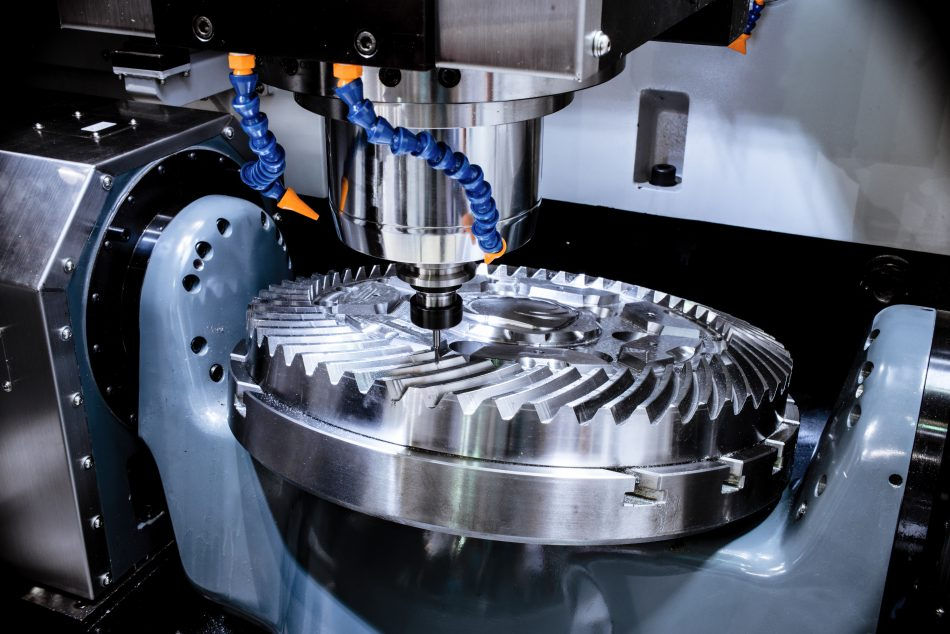
CNC Machine: This is the equipment that performs the actual cutting and shaping. Various types exist, such as milling machines, lathes, and routers, each tailored for specific materials and applications.
Controller: This computer processes the design file and sends instructions to the machine, controlling every movement with high precision.
Tooling: The tools vary depending on the required operation. For example, end mills create complex shapes, while drills make holes. Choosing the right tool is vital for achieving the desired results.
Workpiece: This is the material being machined, which can include metals, plastics, wood, or composites. The choice of workpiece directly affects the final product's quality and application.
The CNC Machining Process
CNC machining involves several carefully executed steps:
Design: The journey begins with creating a digital model using CAD software. For instance, a design created in SolidWorks can be transformed into a tangible part.
Programming: The design is then converted into G-code, which is a language that instructs the CNC machine on its movements. This code is essential for translating complex designs into physical actions.
Setup: In this stage, operators secure the workpiece and select appropriate tools. Proper setup is crucial; a poorly set component can result in errors and wasted materials.
Machining: The CNC machine cuts or shapes the material according to the programmed instructions. This phase often involves multiple processes, such as drilling and milling.
Finishing: After shaping the workpiece, additional processes like grinding or polishing enhance its appearance and functionality.
Advantages of CNC Machining
CNC machining offers several key benefits that set it apart from traditional manufacturing:
Precision: CNC machines produce components within tolerances of just a few microns. This accuracy is critical, especially in fields like aerospace, where safety is non-negotiable.
Efficiency: Automation greatly speeds up production. CNC machines can operate continuously, easily processing thousands of parts in a single run. This efficiency can reduce production times by up to 50%.
Flexibility: They can work with a range of materials and can create complex geometries, making them suitable for custom projects and small batch productions.
Consistency: Once programmed, CNC machines can replicate precise parts repeatedly, ensuring uniformity across multiple units without variations.

Common Applications of CNC Machining
CNC machining finds use in various sectors, proving its versatility:
Aerospace: It plays an indispensable role in manufacturing wings, fuselage components, and intricate engine parts, all critical for flight safety.
Automotive: Engine blocks, transmission housings, and various interior components are commonly crafted with CNC technology, enhancing performance and efficiency.
Medical Devices: Surgical instruments and implants are often produced using CNC machining, where precision is vital for patient safety and device efficacy.
Consumer Products: Devices like smartphones and kitchen appliances often incorporate CNC-machined parts to ensure quality and performance.
Challenges in CNC Machining
Despite its many benefits, CNC machining also faces some challenges:
Initial Setup Costs: The purchase and installation of CNC machines can be expensive, often ranging from tens of thousands to hundreds of thousands of dollars, posing a challenge for small businesses.
Skill Requirements: Operating CNC machines requires training and expertise. New operators may need to undergo substantial learning to master programming and machine operation.
Material Limitations: Some materials might not be suited to CNC machining, leading to additional processing steps or requiring alternative manufacturing methods.
The Future of CNC Machining
The horizon for CNC machining looks bright with ongoing advancements. Innovations such as integration with 3D printing technology and artificial intelligence will continue to expand the capabilities of CNC machines. According to market analysts, the CNC machining industry is expected to grow by 6% annually, driven by increasing demand for high-precision parts across various sectors.
Final Thoughts
CNC machining is a crucial element of modern manufacturing, combining efficiency and precision in a way that traditional methods cannot match. By grasping the fundamentals of CNC machining, you can better understand its significant role in producing top-quality components across multiple industries. Whether you are just beginning or looking to expand your knowledge, understanding these basics sets a solid foundation for your exploration in the field of CNC machining.



Comments