
A Beginner's Guide to CNC Machining Techniques and Applications
- Sep 4, 2025
- 4 min read
CNC machining, or Computer Numerical Control machining, has transformed the manufacturing industry. This technology allows businesses to create precision parts efficiently, leading to complex designs that would be nearly impossible to achieve by hand. This guide will take beginners through the essential techniques and applications of CNC machining, giving a clear understanding of this vital manufacturing process.
What is CNC Machining?
CNC machining is a subtractive method where material is removed from a solid block to achieve a desired shape. This process is directed by a computer program that controls the movements of machine tools. CNC machines can work with various materials—such as metals, plastics, and wood—making them adaptable to a wide range of industries.
One of the key advantages of CNC machining is its ability to maintain high precision. Unlike traditional machining methods, which can exhibit inconsistencies, CNC machines operate continuously. This ensures that each part produced meets predetermined specifications. For example, when manufacturing parts for the aerospace industry, CNC machining can achieve tolerances within ±0.005 inches, significantly enhancing product quality.
Types of CNC Machines
Different CNC machines serve various applications. Here are some of the most prevalent types:
CNC Milling Machines
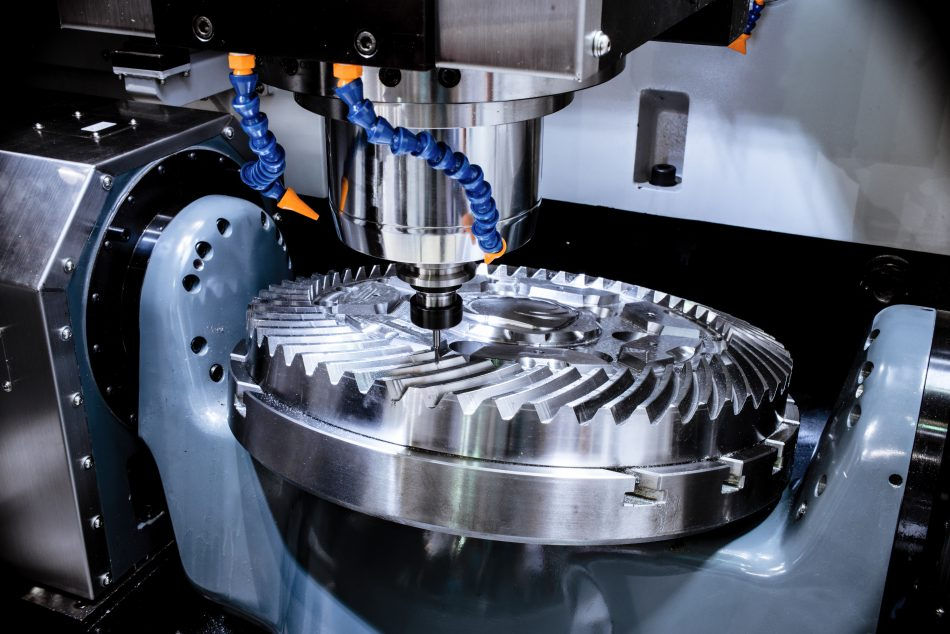
CNC milling machines utilize rotary cutters to carve material from a workpiece. They perform multiple operations, such as drilling and shaping, allowing for the creation of detailed geometries. For instance, a CNC milling machine can create intricate parts like gear housings, often quicker and more accurately than traditional methods.

CNC Lathes
CNC lathes are designed to produce cylindrical parts by rotating the workpiece against a stationary cutting tool. They excel in crafting items such as bolts and shafts, boasting precision levels that often surpass traditional lathes. In the automotive and aerospace sectors, for example, CNC lathes can create parts with tolerances as tight as ±0.002 inches, ensuring high-quality components for performance-sensitive applications.
CNC Plasma Cutters
CNC plasma cutters use a high-velocity jet of ionized gas to slice through conductive materials. This technique excels at cutting metal sheets and plates quickly and efficiently, making it a popular choice among fabricators. For example, CNC plasma cutting can reduce the time it takes to process a 4x8-foot steel sheet by over 40% compared to manual cutting methods.
CNC Machining Techniques
Grasping the key techniques of CNC machining is essential for beginners. Here are some fundamental techniques to understand:
1. 2D and 3D Machining
CNC machining encompasses two categories: 2D and 3D machining. 2D machining focuses on creating flat shapes, while 3D machining enables the production of detailed three-dimensional parts. For instance, a design for a specialized bracket could necessitate 3D machining due to its unique contours and curves.
2. Tool Path Generation
Tool path generation determines the path the cutting tool will follow during machining. This is vital for ensuring the efficiency and accuracy of the process. Advanced software options can simulate these tool paths before actual machining starts, significantly minimizing errors. A study found that companies using simulation software experienced a 25% reduction in machining time, allowing them to streamline production.
3. Tolerance and Finish
Achieving the right tolerance and surface finish is crucial in CNC machining. Tolerance refers to the permissible deviation from a specified dimension. In contrast, surface finish relates to the smoothness of the machined part. Different machining techniques can help meet specific requirements. For example, a part destined for the medical field may require a finer surface finish to ensure hygienic conditions.
Applications of CNC Machining
CNC machining is integral to various industries due to its versatility and precision. Here are some significant applications:
Aerospace Industry
In aerospace, CNC machining produces vital components such as engine parts and brackets. For instance, an aircraft wing may include thousands of machined aluminum parts, where precision is critical for performance and safety. The industry often mandates parts to be manufactured to tolerances of ±0.001 inches.
Automotive Industry
The automotive sector heavily relies on CNC machining for creating engine components, transmission parts, and custom tooling. An example is the production of cylinder heads, where tight tolerances are critical for optimal engine performance. Studies show that up to 70% of a modern vehicle's parts can be produced using CNC machining.
Medical Devices
CNC machining plays a crucial role in producing medical devices like surgical instruments and implants. Given the stringent regulations and the need for high precision in the medical field, CNC machining ensures that products meet rigorous standards while maintaining consistency. For example, custom prosthetics can be produced with an accuracy of within 0.01mm to ensure a perfect fit for patients.
Advantages of CNC Machining
CNC machining provides multiple advantages that make it a preferred choice for manufacturers:
Precision and Accuracy
CNC machines can achieve precision levels of just a few microns. This accuracy is vital for creating parts that fit together seamlessly and function as expected. For example, in the aerospace industry, mismatched parts can lead to critical failures.
Efficiency
CNC machines can operate non-stop, drastically reducing production time and increasing output. This continuous capability is particularly beneficial for large-scale manufacturing operations, where time equals money. Studies have suggested that businesses using CNC machining may see up to a 50% increase in production efficiency compared to manual methods.
Flexibility
CNC machines can be easily reprogrammed to manufacture different parts, providing flexibility across various projects. This adaptability allows manufacturers to quickly respond to changes in market demand or design specifications, leading to enhanced competitiveness.
Final Thoughts
CNC machining is a groundbreaking technology that has reshaped the manufacturing world. By learning about the core techniques and applications, beginners can understand its vital role in producing high-quality parts in various industries. As technology continues to evolve, CNC machining will undoubtedly remain indispensable in the future of manufacturing.
Whether you are a hobbyist aiming to produce custom designs or a professional in the manufacturing sector, mastering CNC machining techniques will unlock a wealth of opportunities. Embrace this technology and elevate your projects to new heights.



Comments